Ras Al Khaimah Welcomes Record 670,000 Visitors in H1 2026
July 24, 2026
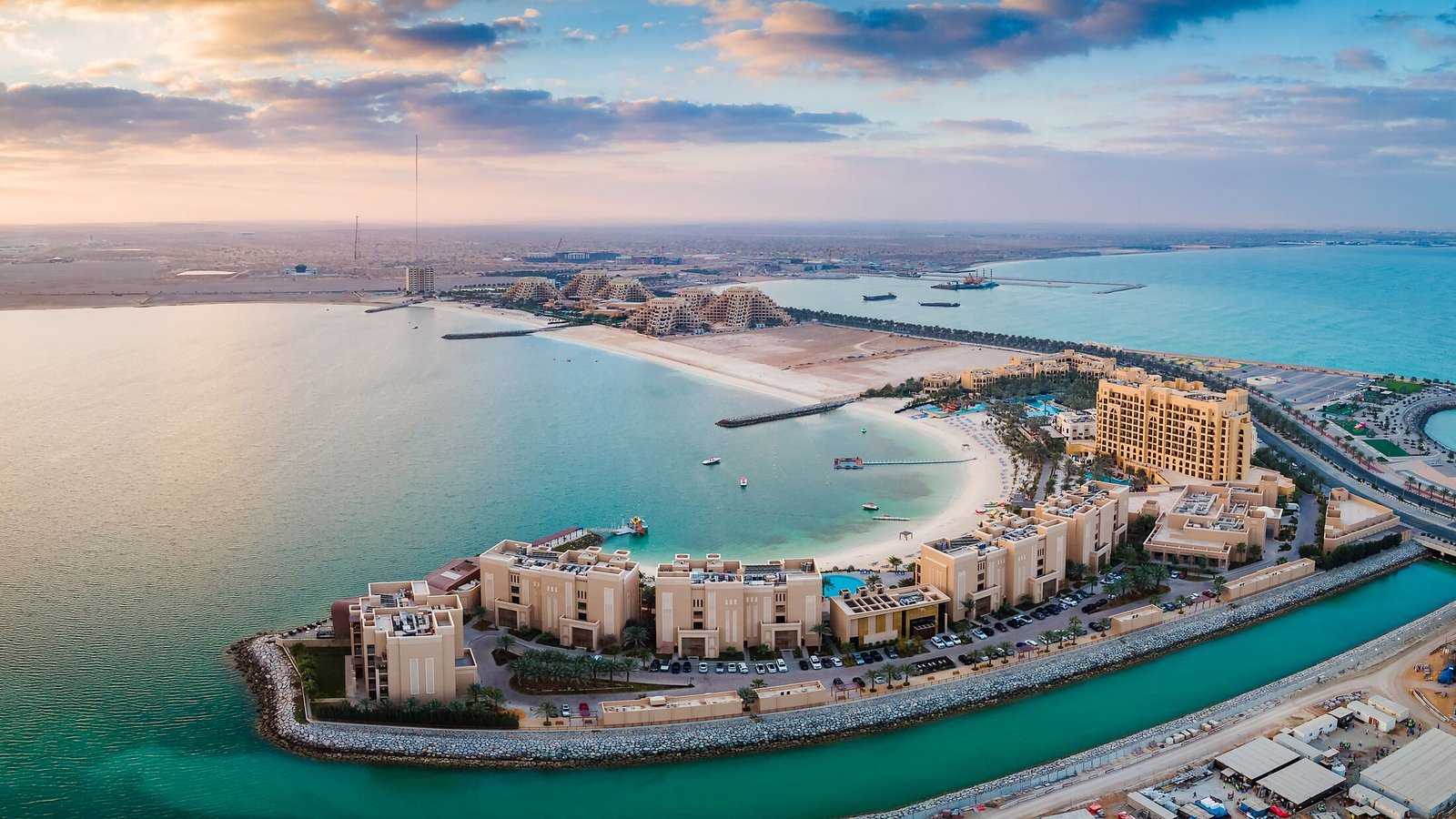
Ras Al Khaimah’s tourism authority has confirmed a record 670000 visitors figure for the first half of 2026, its strongest H1 on record.
Ras Al Khaimah visitors reached a record 670,000 between January and June 2026, the strongest first half in the emirate’s tourism history.
Ras Al Khaimah recorded its strongest first half on record in 2026, welcoming 670,000 visitors between January and June — driven in part by a 47% year-on-year jump in domestic arrivals, according to the Ras Al Khaimah Tourism Development Authority (RAKTDA).
May 2026 was the strongest single month in the emirate’s tourism history, and the RAK Moments campaign alone generated 224,000 hotel room nights and Dh104.4 million in room revenue during the second quarter, bringing in 127,817 additional visitors — a 67.1% increase on the prior year.
The tourism growth mirrors the emirate’s broader economic momentum: RAK’s GDP reached $13 billion in 2025, up 4.3%. RAKTDA has set a target of 3.5 million annual visitors by 2030, supported by a fast-growing hospitality pipeline that includes the upcoming Wynn Al Marjan Island resort.
For real estate investors, sustained visitor growth at this pace is one of the clearest indicators of demand for short-term rental and hospitality-linked residential product — a segment Ras Al Khaimah is only beginning to scale.
RAKTDA’s domestic push relied on partnerships with major booking platforms — Wego, Expedia, Booking.com, Cleartrip, Almosafer and Yandex — to convert the RAK Moments campaign’s reach into actual room nights. “The destination remained resilient through a period that affected international travel across the region, and a record first half is testament to Ras Al Khaimah’s strength as a short-break destination,” said Phillipa Harrison, CEO of the Ras Al Khaimah Tourism Development Authority.
Notably, hotel room rates held broadly steady against 2025 levels even as visitor volumes surged — a sign the emirate is absorbing demand through added room supply and length-of-stay growth rather than simply pushing prices, which tends to support more sustainable occupancy over time.
For investors eyeing branded residences or short-term rental product, resilient rates alongside record arrivals is a healthier signal than a price spike would be: it points to durable demand rather than a one-off surge that could reverse once the next hospitality wave, including Wynn Al Marjan Island, comes online. At DKey, growing visitor numbers like these are exactly the signal our Ras Al Khaimah advisory team watches when timing entry into short-term rental and branded residence opportunities for clients.
<
The domestic-arrivals surge behind this record is the more structurally significant number for hospitality operators: a 47% jump in short-haul UAE and GCC visitors typically converts into more frequent, shorter repeat stays rather than a single long-haul holiday booking, which tends to smooth out the seasonal troughs that have historically weighed on RAK’s occupancy outside the winter high season. Analysts who track Gulf tourism markets generally treat that kind of mix shift — toward frequent regional travel rather than one-off international arrivals — as a healthier growth pattern than pure headline visitor-number growth, because it’s less exposed to long-haul travel disruption or currency swings in source markets further afield.
For hospitality-linked residential and branded-residence financing more broadly, lenders typically want to see multi-year visitor trend lines rather than a single strong season before underwriting new inventory — which is exactly why a second consecutive record H1, following resilient rates through the previous cycle, tends to carry more weight with investors than any single headline number on its own.
The RAK Moments campaign’s Dh104.4 million in Q2 room revenue works out to roughly Dh817 per additional visitor generated during the quarter — a yield figure real estate and hospitality analysts can use as a rough benchmark for evaluating campaign return, since it ties marketing spend directly to achievable room revenue rather than raw footfall. For developers weighing branded-residence or serviced-apartment product in Ras Al Khaimah, that kind of per-visitor revenue yield is generally a more useful underwriting input than the headline visitor count on its own.
Source of information: Gulf News