Dubai Climbs to 7th Globally as DIFC Marks a Third Straight Year of Double-Digit Growth
June 25, 2026
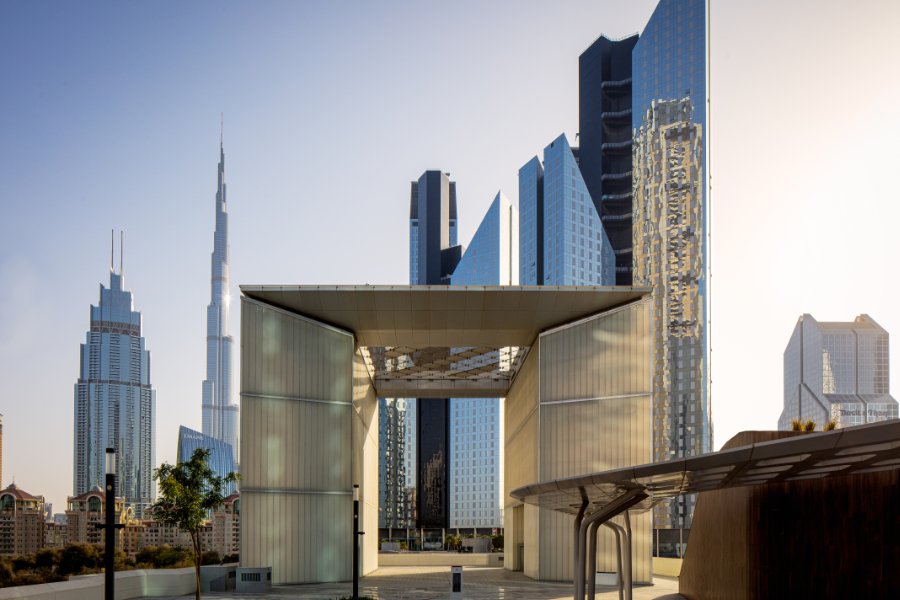
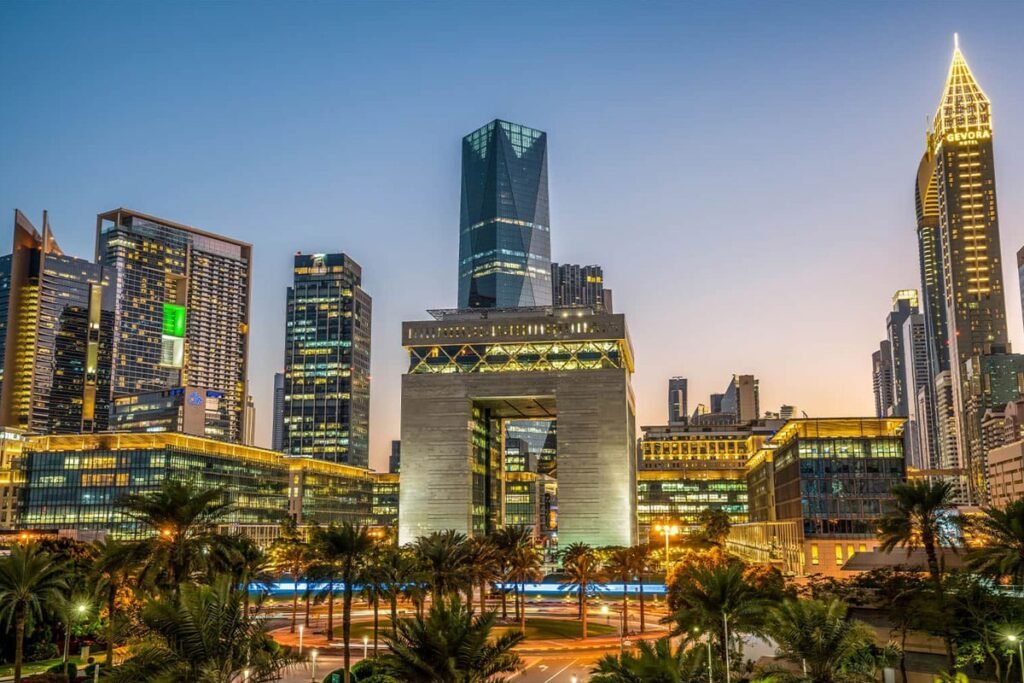
Three consecutive years of double-digit growth is rare for any financial centre. Dubai has just delivered its third in a row, and the ranking bodies have taken notice: as of March 2026, Dubai holds seventh place globally on the Global Financial Centres Index.
The Dubai Financial Services Authority licensed 182 new regulated firms in 2025 alone — a 16% increase over 2024 — bringing DIFC’s total to 1,050 regulated entities. It’s the kind of steady, compounding growth that’s harder to engineer than a single headline announcement, and arguably more telling about where the centre is actually headed.
The numbers behind the ranking are substantial: DIFC’s wealth and asset management arm now runs $176 billion in assets under management (up 4% year-on-year) across 276 funds overseen by 121 authorised fund managers, plus a further $220 billion in assets under advisory — up 22% in a single year. The centre also hosts 87 hedge funds, placing it among the top five global hubs for that asset class. Banking has grown just as fast: combined balance sheets across DIFC-based banks reached $251 billion, a 19% increase from 2024, while private banking assets under advisory climbed 23% to $103.8 billion across a client base exceeding 14,000. Insurance brokers wrote $3.38 billion in premiums (up 15%), reinsurers wrote $4.24 billion, and outstanding sukuk issuance through the centre reached $107.9 billion. Perhaps the most telling figure for where the centre is headed: 52% of DIFC firms actively used AI in 2025, up from 33% the year before.
The climb fits squarely into Dubai’s stated Economic Agenda (D33) and the DIFC 2030 Strategy, both aimed at pushing the emirate into the world’s top four financial centres by 2033. Coming on the heels of the Dh100 billion DIFC second-phase expansion, the ranking looks less like a one-off achievement and more like a market building momentum on purpose. DKey views this kind of sustained, multi-year institutional growth — rather than any single announcement — as the more reliable signal for where DIFC-adjacent property prices are headed next.
The banking and wealth figures behind this ranking are worth unpacking on their own: combined balance sheets across DIFC-based banks reached $251 billion, a 19% increase from 2024, while private banking assets under advisory climbed 23% to $103.8 billion across a client base exceeding 14,000. That client count matters as much as the dollar figure — a private banking base growing at double-digit rates suggests the centre is attracting individual wealth alongside institutional capital, not just corporate treasury functions relocating for tax efficiency.
DIFC’s insurance segment posted similarly strong numbers, with brokers writing $3.38 billion in premiums, up 15%, and reinsurers writing a further $4.24 billion. Outstanding sukuk issuance through the centre reached $107.9 billion, underscoring DIFC’s position as a hub for Islamic finance alongside conventional banking and asset management. Taken together, growth this broad-based across banking, insurance, wealth management and Islamic finance simultaneously is harder to manufacture through marketing than a single standout metric would be, which is part of why ranking bodies like the Global Financial Centres Index tend to weight consistency across categories more heavily than any single year’s headline number.
The 52% AI adoption figure among DIFC firms, up from 33% a year earlier, is arguably the most forward-looking number in the whole release. A jump of that size in a single year points to firms treating AI adoption as a competitive necessity rather than an experimental add-on, which lines up with DIFC’s stated ambition to become the world’s first AI-native financial centre. For a district that has spent decades competing primarily on regulation and tax efficiency, leading on technology adoption as well would be a meaningful shift in what actually differentiates DIFC from rival centres in the region.
Source of information: Khaleej Times