Dubai Loop: The 3-Minute Commute Between DIFC and Dubai Mall Is Coming
February 3, 2026
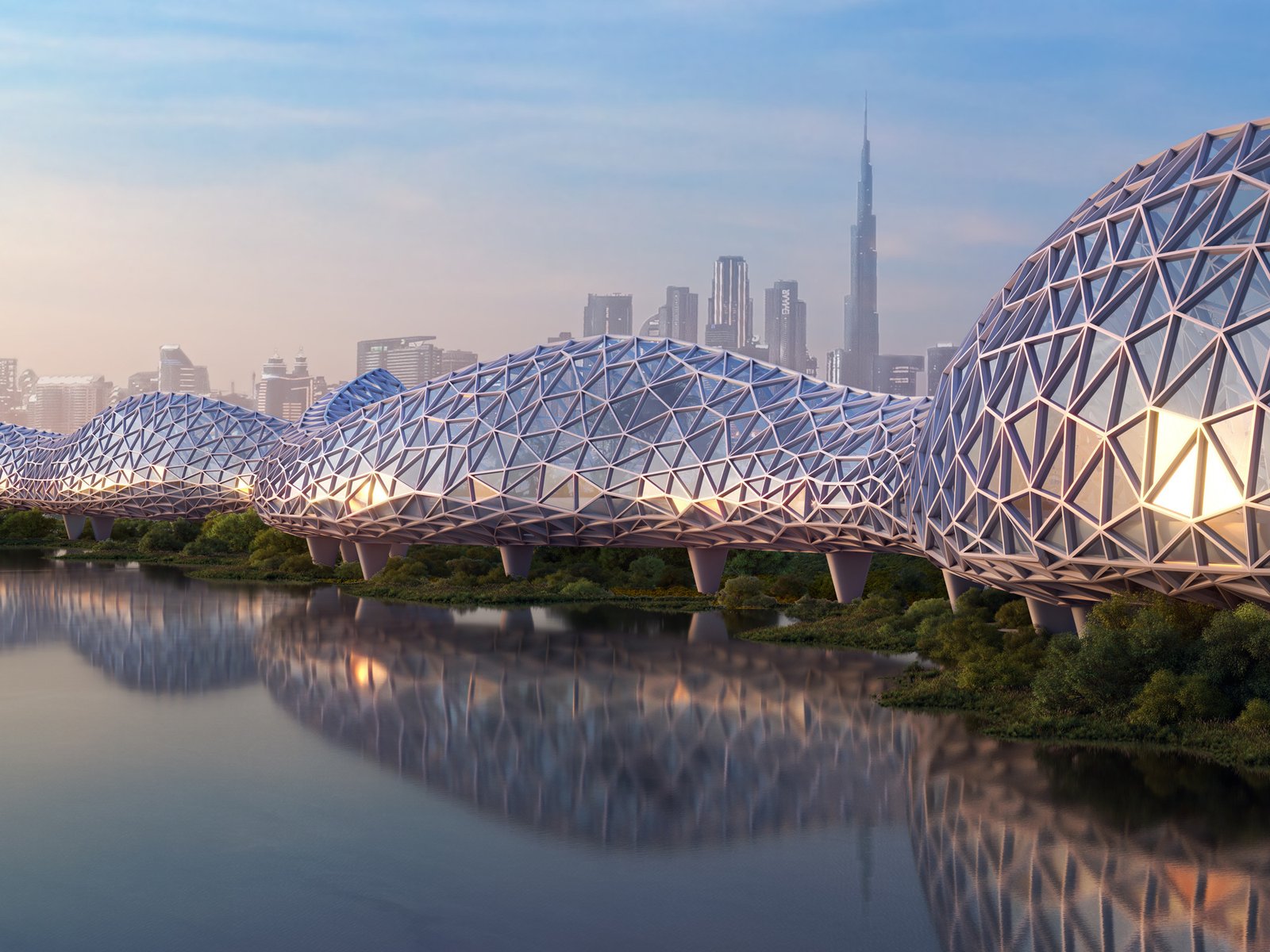
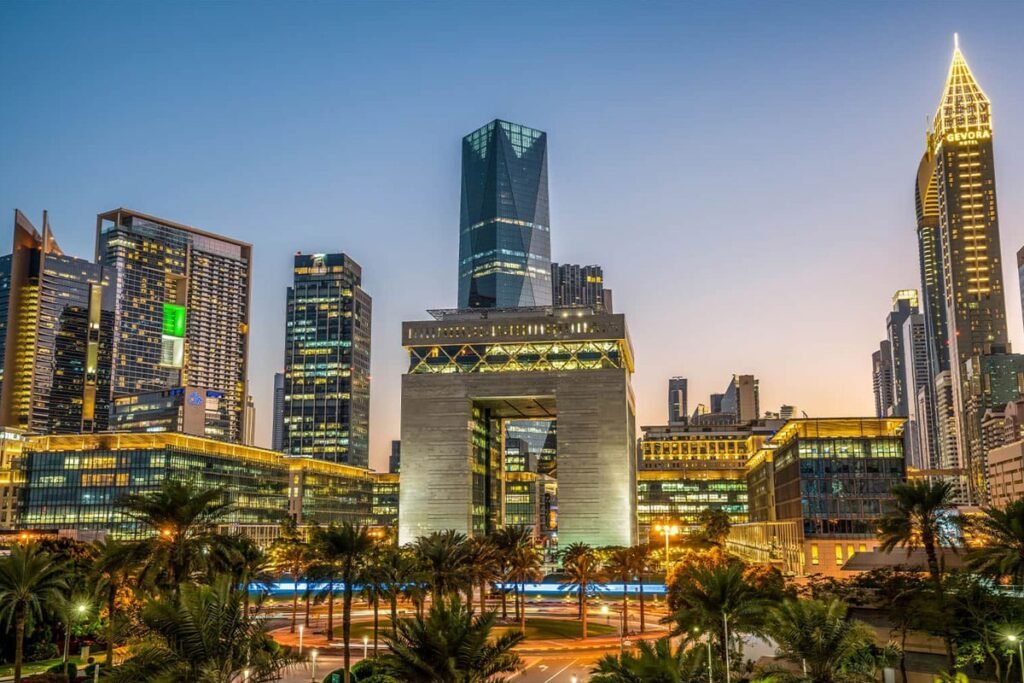
A 20-minute drive across town in three minutes flat — that’s the promise behind Dubai Loop, the underground transport network whose first four stations were just announced: Burj Khalifa, DIFC 2, Zabeel Dubai Mall Parking and ICD Brookfield Place.
Dubai Loop uses tunnelling and vehicle technology developed by The Boring Company, making Dubai only the second city in the world — after Las Vegas — to deploy it. Phase one covers 6.4 kilometres at a cost of Dh600 million and is expected to be complete within one to two years, moving up to 13,000 passengers a day using roughly 100 autonomous vehicles. The construction agreement for this first phase was signed on 3 February 2026, putting it on a fast track relative to typical transit infrastructure timelines. RTA Roads Director Hamad Alshehhi confirmed the operational specifics directly: “Once operational, 100 cars will operate inside these tunnels and reduce the time taken to travel between DIFC and Dubai Mall from 20 minutes to just three minutes.”
The full network, once built out, will span 24 kilometres across 19 stations at a total cost of Dh2.5 billion. Part of what makes the economics work is the tunnelling method itself — excavation runs around Dh70 million per kilometre, against roughly Dh125 million for conventional tunnelling, a cost gap that is what makes the full 19-station buildout financially realistic in the first place.
Projects like this rarely stay confined to transport statistics for long. Every station location instantly becomes a proximity premium for the buildings around it — and DIFC, sitting at the centre of two of the four announced stops, is about to get considerably easier to reach from almost anywhere in the city. DKey is already fielding buyer questions about which DIFC and Downtown addresses will end up within walking distance of a Loop station — exactly the kind of infrastructure-driven demand that has historically pushed prices up around new Dubai transit nodes.
The Dh70 million per kilometre tunnelling cost is roughly 44% cheaper than the Dh125 million conventional benchmark, which is the single biggest reason a 24-kilometre, 19-station system pencils out at Dh2.5 billion rather than the multiples that figure would imply under traditional metro construction. That cost structure is what allows Dubai to consider extending the network well beyond the initial four stations without the capital outlay becoming prohibitive, since each additional kilometre adds proportionally less to the total bill than it would for a conventional bored or cut-and-cover metro line.
For property buyers and investors, the practical takeaway is that Loop stations are likely to arrive faster and cheaper than metro-style expansions historically have in Dubai, which compresses the window between an announcement and an actual proximity premium showing up in nearby transaction prices. Areas within walking distance of the four confirmed stops — Burj Khalifa, DIFC 2, Zabeel Dubai Mall Parking and ICD Brookfield Place — are the ones most likely to see that premium price in earliest.
The Boring Company’s involvement also brings a track record from Las Vegas, where a similar underground loop has been running since 2021, giving Dubai’s operator a working precedent for daily throughput, maintenance costs and passenger safety protocols rather than a purely theoretical system. That operational history is one reason the RTA has been comfortable committing to an aggressive one-to-two-year completion timeline for phase one, despite the technology still being new to the region.
Extending that logic, each new Loop station added beyond the initial four is likely to compress travel times across an even wider radius of central Dubai neighbourhoods.
Investors who moved early around Dubai Metro stations saw a similar pattern play out over several years as each phase opened.
Source of information: Khaleej Times