Sheikh Mohammed Launches Dh100 Billion Second Phase of DIFC
January 27, 2026
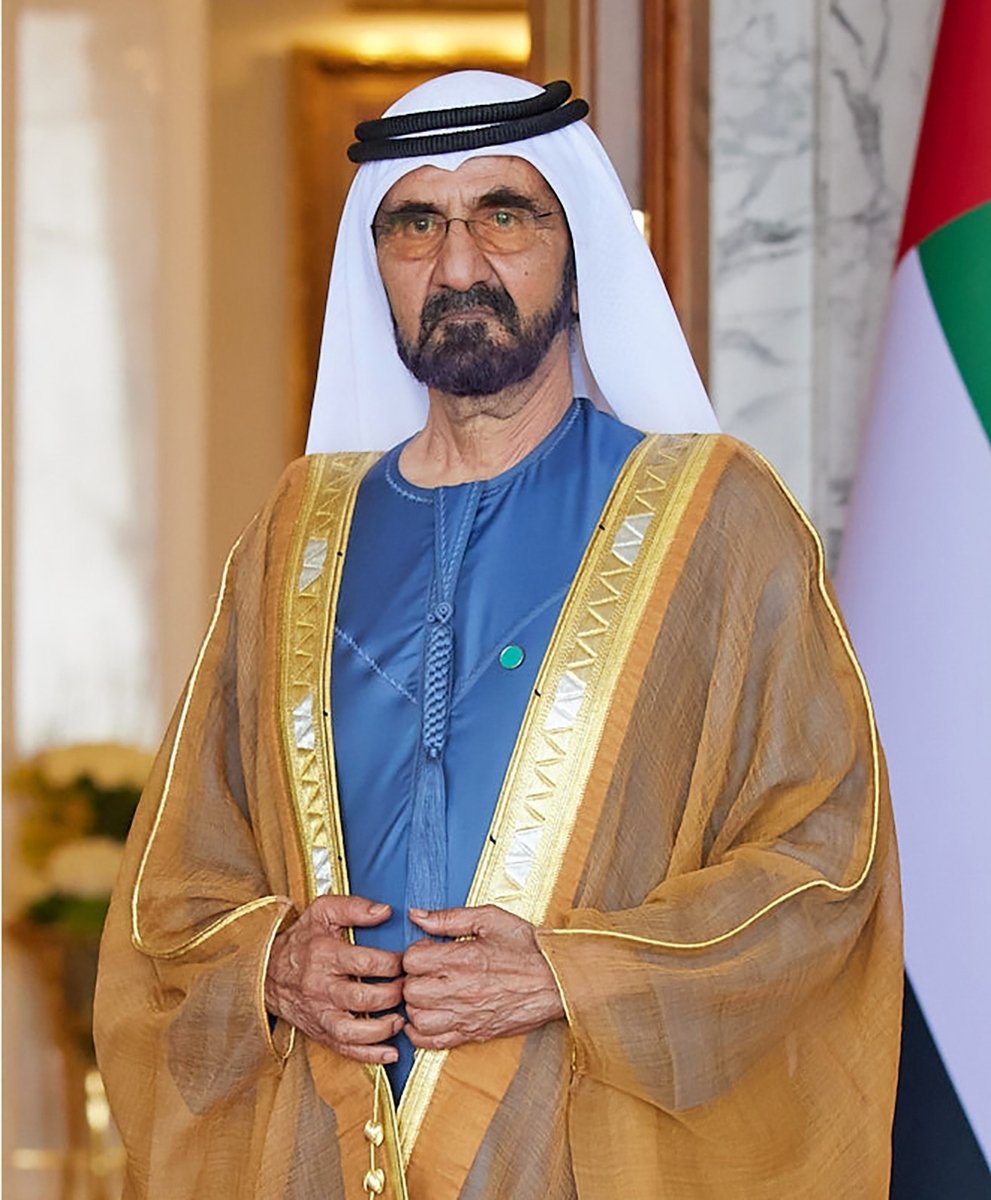
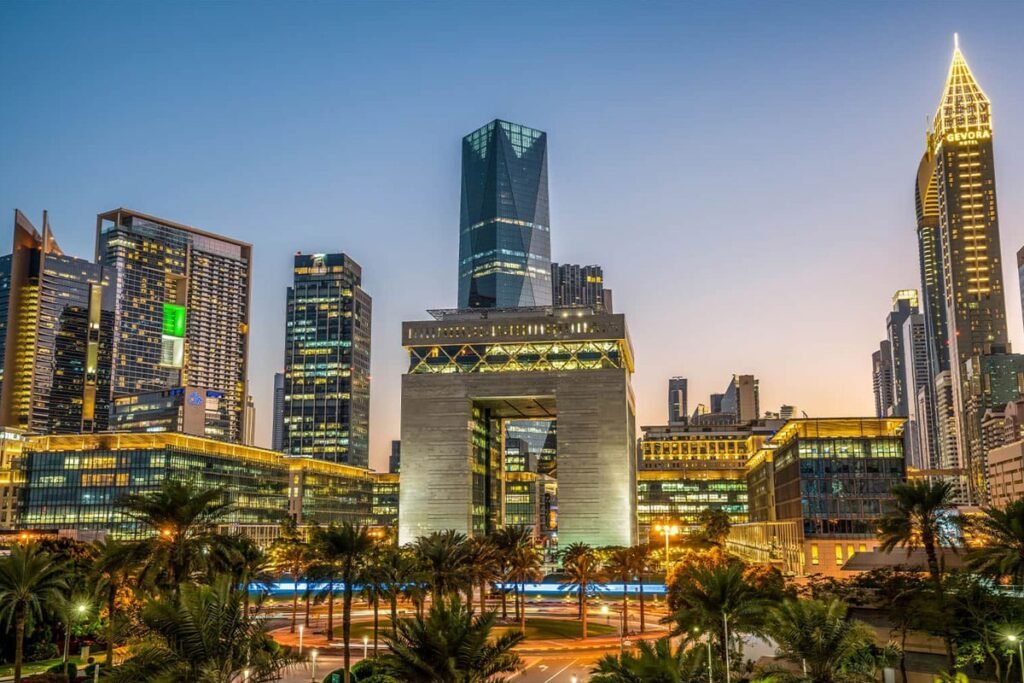
Dubai just committed Dh100 billion to doubling down on the industry that’s already made it a global financial capital. Sheikh Mohammed bin Rashid Al Maktoum has launched the second phase of the Dubai International Financial Centre (DIFC), a 17-million-square-foot expansion designed to eventually house 125,000 professionals.
The new phase includes six office towers, two residential towers, a hotel and an AI Campus in its first stage, alongside a 1-million-square-foot digital economy innovation hub intended to host 6,000 companies and 30,000 AI specialists. A DIFC Academy expansion will serve 50,000 students a year, complemented by a new arts and culture centre, a conference centre and direct connectivity to the Dubai Loop underground network. DIFC’s existing footprint already hosts more than 8,000 active registered companies, and hedge funds based at the centre have more than doubled since 2024 — the demand base this second phase is explicitly built to absorb. The new district is also being engineered for future mobility, with DIFC confirming the expansion is designed to be compatible with flying taxis and autonomous vehicles as those technologies mature.
First deliveries are targeted for 2030. “Our future as a global economic hub is becoming more firmly established,” Sheikh Mohammed said at the launch — a statement that lines up with Dubai’s stated ambition to rank among the world’s top four financial centres.
An expansion of this size doesn’t just add office space — it adds a decade’s worth of demand for the housing, retail and hospitality that has to grow alongside 125,000 new professionals. That’s the kind of long runway that tends to reward investors who position early rather than after the towers are already built. DKey sees this scale of institutional commitment — Dh100 billion, with a firm 2030 delivery target — as one of the clearest price-growth signals in the wider DIFC and Zabeel corridor for years to come.
Sizing the ambition another way: 125,000 professionals is roughly equivalent to adding a mid-sized city’s entire workforce to a single district, and the six office towers, two residential towers and AI Campus planned for the first stage are only the initial phase of a project designed to be built out over more than a decade. DIFC’s own registration data — active companies now above 10,000 and hedge funds more than doubling since 2024 — is effectively the demand-side evidence the centre is pointing to when it argues this second phase is necessary rather than speculative expansion.
Direct connectivity to the Dubai Loop underground network is also a deliberate sequencing choice: Zabeel’s new towers are being planned in parallel with the transit infrastructure that will serve them, rather than transit arriving years after a district is already built out and congested, which has been the more common pattern in Dubai’s earlier growth phases.
The AI Campus and digital economy innovation hub are worth flagging separately from the office and residential towers, since a 1-million-square-foot facility aimed at 6,000 companies and 30,000 AI specialists signals DIFC is trying to capture a specific, fast-growing category of tenant rather than simply replicating its existing financial-services base at larger scale. That distinction matters for how the second phase’s residential demand should be modelled: AI and technology talent tends to skew younger and more mobile than traditional finance professionals, which could shift the mix of unit sizes and amenities that end up in highest demand once the district’s residential towers are delivered.
A firm 2030 delivery target for a project this size leaves investors an unusually long, well-defined runway to plan around rather than a vague multi-year window.
DKey is already fielding questions from clients about how to position ahead of that 2030 delivery date.
Source of information: Khaleej Times