The UAE has Become Second in the World for Supertall Skyscrapers
January 6, 2026
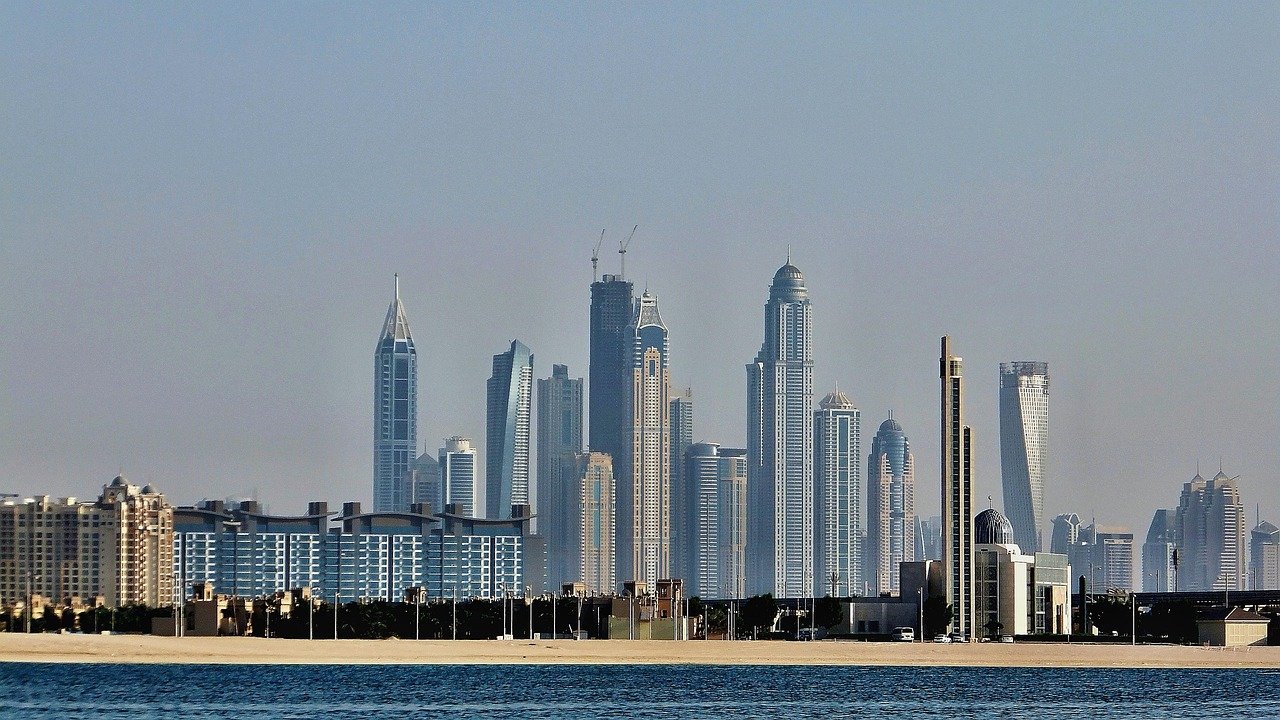
The United Arab Emirates has surpassed the United States to secure the second position globally for the number of completed supertall skyscrapers (over 300 meters), according to the Council on Tall Buildings and Urban Habitat (CTBUH). This achievement, with over 30 such buildings, highlights the nation’s rapid urbanization and ambitious architectural vision.
Dubai: A Hub of Vertical Growth
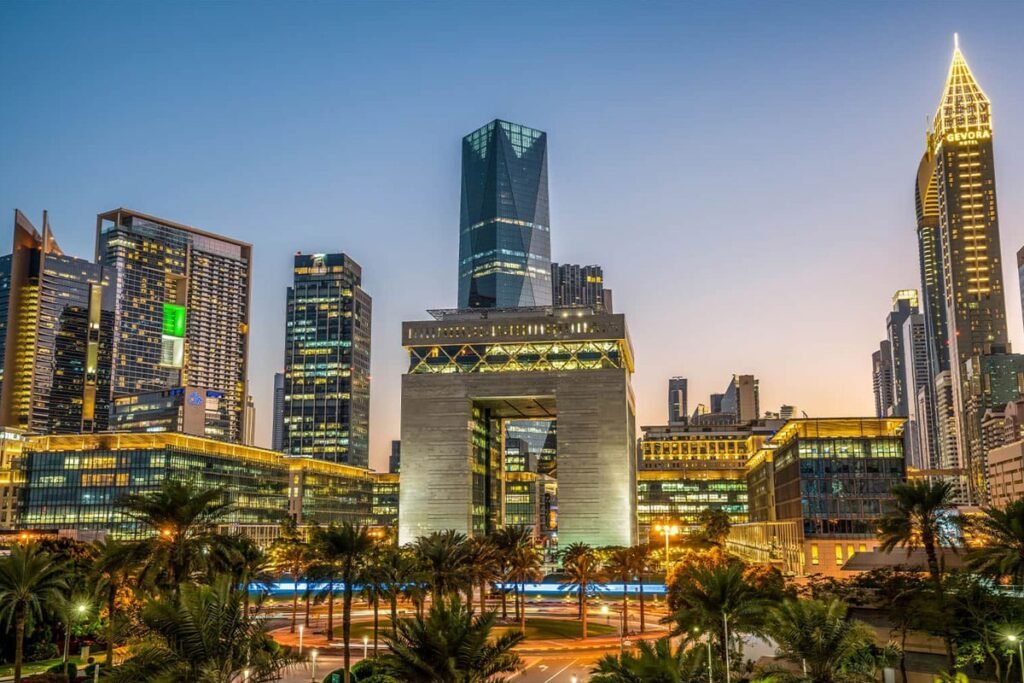
Dubai is at the forefront of this vertical revolution, now ranking fourth among cities with the most buildings over 150 meters tall. Home to more than 250 towers of this height, including the 828-meter Burj Khalifa, the city’s skyline reflects a thriving real estate market, robust tourism, and a diversified economy. Dubai’s transformation from a small Gulf city to a global metropolis is a testament to its strategic goal of moving beyond oil dependency to become a center for commerce and innovation.
Broader Context and Future Outlook
The UAE’s architectural success is more than just a competition for height; it’s a statement of national ambition and a fusion of engineering expertise with futuristic design. The country’s over 200 buildings taller than 150 meters, including iconic structures like Marina 101 and Emirates Towers, are seen as cultural symbols that attract global talent and investment. With contributions from Abu Dhabi and Sharjah, the UAE continues to challenge traditional urban design and solidify its role in the global discourse on livability and urban shape.
Notable Supertall Towers Driving the Ranking
The CTBUH’s supertall category (buildings over 300 metres) captures a small, elite group of structures, and the UAE’s contribution to that list goes well beyond the Burj Khalifa. Marina 101, standing at 425 metres in Dubai Marina, held the title of world’s tallest residential building for years and remains one of the tallest towers with a purely residential use. The Princess Tower, also in Dubai Marina at 414 metres, and the twin JW Marriott Marquis towers in Business Bay, each over 355 metres, add further depth to Dubai’s supertall inventory. Abu Dhabi contributes its own landmarks to the national tally, while Sharjah’s more modest skyline is increasingly adding mid-rise density around its own commercial districts.
What distinguishes the UAE’s approach from many other supertall markets is the concentration of these towers within a handful of master-planned districts — Downtown Dubai, Dubai Marina and Business Bay chief among them — rather than scattered across a wider metropolitan area. That clustering effect tends to compound the value of nearby land, since each new supertall addition reinforces the desirability of an already-established address rather than diluting attention across a larger footprint.
Constructing supertall skyscrapers at this pace requires more than architectural ambition — it demands sustained regulatory support, deep pools of construction financing, and a steady pipeline of engineering talent, all of which the UAE has invested in over two decades. Dubai’s building codes and fast-track approval processes for landmark towers are frequently cited by developers as a competitive advantage over rival Gulf cities, shortening the gap between concept and completion for genuinely ambitious projects. That institutional capacity is itself part of what keeps global capital flowing into the UAE’s built environment, since investors weigh not just a single tower’s design but the broader ecosystem’s proven ability to deliver at scale.
A skyline this dense doesn’t build itself without sustained investor confidence — every supertall tower represents years of committed capital betting on continued demand for premium Dubai addresses. DKey sees this kind of long-run vertical growth as one of the clearer structural signals behind Dubai’s sustained residential price growth, particularly in the districts anchoring these landmark towers. That correlation between vertical construction activity and residential price momentum has held for more than a decade across Dubai’s core districts.
Source of information: PropertyNews